Source Anti Slip Shag Bath Mat for Home, Hotel, and Decoration
Find 30 anti slip shag bath mat options from China. Compare materials like rubber and chemical fiber, weights, and custom sizes for home and hotel use. Explore various styles including modern and classical designs with features such as wear resistance and eco-friendly properties. Select from different packing options and standard sizes to meet your specific sourcing needs effectively.
Key considerations
Products List






Comprehensive Sourcing Guide
Anti Slip Shag Bath Mat Sourcing Guide
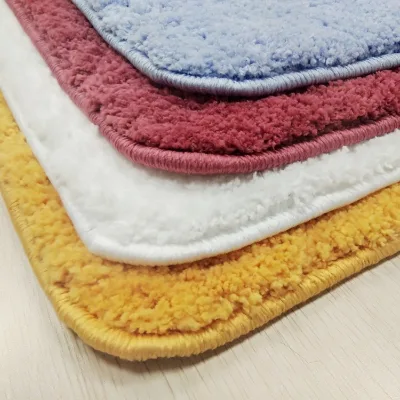
Sourcing anti slip shag bath mats requires a clear understanding of the diverse material compositions and structural designs available in the current market. Buyers must distinguish between products made from natural rubber, polyethylene, chemical fibers, and fabric blends, as each material offers distinct performance characteristics regarding durability, water absorption, and tactile comfort. The observed product landscape includes items ranging from pure gum rubber sheets to specialized shag-style carpets, indicating that "shag" refers primarily to the surface texture rather than a single unified material standard. Procurement teams should evaluate whether the primary requirement is heavy-duty insulation, aesthetic decoration, or high-frequency foot traffic resistance, as these needs dictate the appropriate raw material selection.
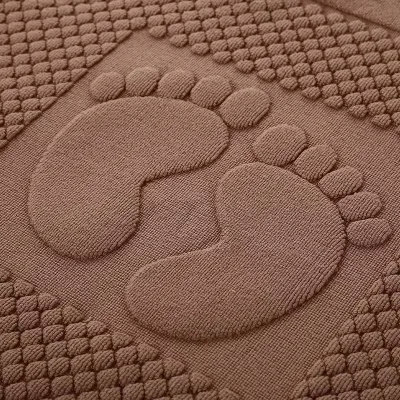
The visual and functional attributes of these mats vary significantly, with options including solid patterns, irregular shapes, and specific forms such as foot, fish, or square designs. While some listings emphasize modern or classical styles, others focus on functional features like wear resistance, eco-friendliness, and anti-slip properties. It is crucial to verify the product form, which may be categorized as a carpet or slab, and to confirm the installation location, typically the floor. Buyers should also consider the hardness of the material, noting that soft options are available, and ensure that the color palette, which can range from white to all kinds, aligns with the intended interior design scheme for homes, hotels, or decorative spaces.
Product Scope and Observed Listing Signals
The current market signals indicate a wide variance in product specifications, with observed prices ranging from 0.6 to 11 USD and minimum order quantities spanning from 100 to 10,000 units. This broad range suggests that buyers can find both budget-friendly basic mats and premium, customized solutions depending on their volume requirements and quality expectations. The presence of customization options is a key signal, allowing purchasers to tailor sizes, colors, and even special shapes to meet specific branding or functional needs. Procurement teams should leverage this flexibility to negotiate terms that align with their inventory turnover rates and seasonal demand fluctuations, ensuring that the chosen supplier can accommodate varying order sizes without compromising on quality or delivery schedules.
Observed packing methods include rolls, cartons, pallets, OPP bags, and PE films, highlighting the importance of logistics planning in the sourcing process. The choice of packaging can impact product protection during transit and storage efficiency, particularly for shag mats that may be prone to compression or deformation. Buyers should verify the specific packing requirements with suppliers to ensure that the mats arrive in optimal condition, free from damage or excessive wrinkling. Additionally, the lead time of approximately 35 days for some products underscores the need for accurate demand forecasting and early order placement to avoid stockouts or rushed shipping costs. Understanding these logistical details is essential for maintaining a smooth supply chain and ensuring timely delivery to end customers.
Technical Specifications to Verify
When evaluating technical specifications, buyers must prioritize the verification of material composition, as products are listed with materials ranging from natural rubber and PE to chemical fibers and fabric. It is essential to confirm the exact blend and density of the shag pile, as this directly influences the mat's absorbency, drying time, and overall durability. The weight specifications, which can range from 550 to 1700g/sqm, serve as a critical indicator of quality and substance, with heavier mats generally offering better performance in high-traffic areas. Procurement teams should request detailed material data sheets to understand the chemical composition and ensure that the materials meet specific safety and environmental standards, particularly if the mats are intended for use in sensitive environments like hotels or homes with children.
Size and shape variations are another critical technical aspect, with options including custom sizes, standard dimensions like 60x90cm and 45x45cm, and special shapes such as foot or fish designs. Buyers should verify the tolerance levels for these dimensions to ensure a proper fit in the intended installation area. The hardness of the product, described as soft in some listings, should also be confirmed to match the desired comfort level. Additionally, the style, whether modern, classical, or Chinese, and the pattern, typically solid, must align with the aesthetic requirements of the project. Ensuring that all technical specifications are clearly defined and agreed upon in the purchase order will help prevent discrepancies and ensure customer satisfaction.
Compliance and Safety Documentation
Compliance and safety documentation are paramount when sourcing bath mats, especially those intended for use in bathrooms where slip hazards are a significant concern. Buyers must verify that the anti-slip features of the mats are backed by relevant testing and certification, although specific certification statuses are not explicitly detailed in the provided facts. It is crucial to request test reports that demonstrate the mat's ability to provide traction on wet surfaces, ensuring that the product meets local safety regulations and industry standards. Procurement teams should also inquire about the eco-friendliness of the materials, particularly if the mats are made from natural rubber or other sustainable resources, to align with corporate sustainability goals and consumer preferences for environmentally responsible products.
In addition to safety and environmental compliance, buyers should ensure that the products meet relevant quality standards, such as the GB standard mentioned in some listings. This involves verifying that the manufacturing processes adhere to strict quality control measures to minimize defects and ensure consistency across batches. Documentation regarding the product's condition, typically new, and its non-disposable nature should also be confirmed to assure long-term usability. By prioritizing comprehensive compliance documentation, buyers can mitigate risks associated with product liability and ensure that the sourced mats meet the highest standards of safety and quality, thereby protecting their brand reputation and customer trust.
Cost Drivers and Commercial Terms
Cost drivers for anti slip shag bath mats include material costs, manufacturing complexity, and customization requirements. The use of natural rubber, chemical fibers, or fabric blends can significantly impact the base price, with more complex materials or specialized treatments leading to higher costs. Customization options, such as unique shapes, sizes, or branding, add to the production expenses, making it essential for buyers to balance their design preferences with budget constraints. Procurement teams should negotiate transparent pricing structures that clearly outline the costs associated with each variable, ensuring that there are no hidden fees or unexpected charges that could inflate the final invoice. Understanding these cost drivers allows buyers to make informed decisions and optimize their spending without compromising on quality.
Commercial terms, including minimum order quantities and lead times, play a crucial role in the overall cost structure. The observed MOQ range of 100 to 10,000 units offers flexibility, but buyers should consider the implications of ordering in bulk versus smaller quantities. Larger orders may qualify for volume discounts, but they also require adequate storage space and careful inventory management. The lead time of approximately 35 days for some products necessitates accurate demand planning to avoid stockouts or excess inventory. Buyers should also discuss payment terms, shipping responsibilities, and return policies to ensure a fair and mutually beneficial agreement. By carefully managing commercial terms, buyers can enhance their supply chain efficiency and reduce overall procurement costs.
Supplier Qualification and Quality Control
Supplier qualification is a critical step in the sourcing process, requiring a thorough assessment of the supplier's capabilities, reputation, and quality control systems. Buyers should verify the supplier's origin, with Ningbo, China, being a notable location for some products, and evaluate their production capacity to ensure they can meet order volumes and deadlines. It is essential to review the supplier's track record, including customer feedback and past performance, to gauge their reliability and commitment to quality. Procurement teams should also inquire about the supplier's quality control processes, including inspection protocols and defect management procedures, to ensure that the products meet the specified standards and requirements.
Quality control measures should be implemented throughout the production process, from raw material sourcing to final packaging. Buyers should request samples for evaluation before placing large orders to assess the product's quality, durability, and aesthetic appeal. It is also important to establish clear communication channels with the supplier to address any issues or concerns promptly. Regular audits and inspections can help maintain consistent quality and identify areas for improvement. By prioritizing supplier qualification and robust quality control, buyers can build a reliable supply chain and ensure that the sourced anti slip shag bath mats meet their expectations and customer needs.
Long-Term Procurement Checks
Long-term procurement checks involve continuous monitoring of supplier performance, product quality, and market trends to ensure sustained value and reliability. Buyers should establish key performance indicators (KPIs) to track metrics such as delivery times, defect rates, and customer satisfaction, using this data to inform future sourcing decisions. Regular reviews of supplier contracts and pricing agreements can help identify opportunities for cost savings and improved terms. Procurement teams should also stay informed about emerging materials, technologies, and design trends in the bath mat industry to remain competitive and responsive to changing consumer preferences. By maintaining a proactive approach to supplier management, buyers can mitigate risks and enhance their supply chain resilience.
Additionally, buyers should consider the environmental and social impact of their sourcing practices, ensuring that suppliers adhere to ethical labor standards and sustainable manufacturing processes. This involves verifying that the materials used, such as natural rubber or eco-friendly fabrics, are sourced responsibly and that the production processes minimize waste and energy consumption. Engaging in long-term partnerships with suppliers who share these values can enhance brand reputation and contribute to corporate social responsibility goals. By integrating sustainability and ethical considerations into their procurement strategies, buyers can create a more responsible and resilient supply chain that benefits both their business and the broader community.
FAQs
What materials are used for anti slip shag bath mats?
Anti slip shag bath mats are commonly made from natural rubber, chemical fiber, or PE. Some products feature a pure gum rubber sheet and fabric medium. These materials ensure the mat remains soft and provides effective insulation for bathroom use.
Can I customize the size and shape of the bath mat?
Yes, customization is available for size and shape. Buyers can request specific dimensions like 60x90cm or 45x45cm. The product also supports irregular shapes such as foot, fish, or egg designs to meet unique interior decoration needs.
How long is the lead time for ordering these mats?
The standard lead time for these products is 35 days. This duration applies to orders placed with manufacturers in China. Buyers should plan their procurement schedule accordingly to ensure timely delivery for hotel or home projects.
What packaging options are available for shipping the mats?
Packaging options include rolls, cartons, pallets, OPP bags, or woven bags. Buyers can choose between PE film or carton packaging based on their logistics requirements. This flexibility helps protect the mats during international transport.
Which standards do these bath mats comply with?
These mats comply with GB standards and specific weight requirements ranging from 550 to 1700g per square meter. Some models also adhere to specific size standards like 70x40cm. These certifications ensure quality and safety for commercial and residential use.
Where are these anti slip shag bath mats manufactured?
The products are manufactured in China, with specific origins noted in Ningbo. This location supports the production of various styles including modern and classical designs. Buyers can source directly from these established manufacturing hubs.
Are these bath mats suitable for hotel and home use?
Yes, these mats are designed for use in hotels, homes, and decoration projects. They feature anti-slip properties and are made from durable materials like chemical fiber or rubber. Their soft texture and solid patterns make them ideal for bathroom flooring.